



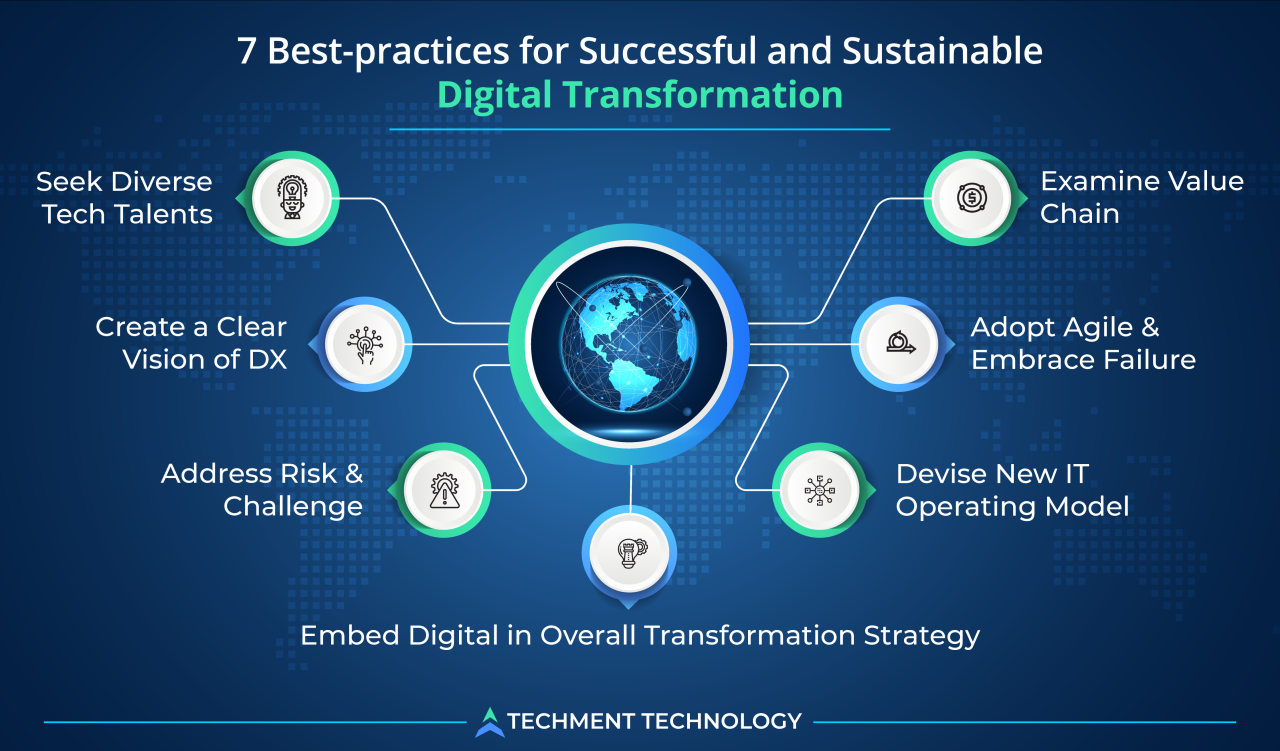


While digital transformation promises efficiency and growth, many organizations overlook its hidden expenses. Beyond software licenses and hardware upgrades lurk substantial costs that can derail budgets and timelines. This comprehensive guide reveals the seven most frequently underestimated expenses of going digital, complete with real-world examples and mitigation strategies for businesses of all sizes.
A. Employee Training and Resistance Costs
The human factor often represents the largest unanticipated expense:
- Skill Gap Expenses
- Average $1,300 per employee for digital upskilling
- Productivity losses during learning curves (15-20% temporary efficiency drops)
- Change Management Requirements
- Consultant fees for cultural transformation
- Increased turnover from tech-resistant staff
B. Cybersecurity and Compliance Burdens
Digital operations introduce new vulnerabilities:
- Security Infrastructure Costs
- Multi-factor authentication systems
- Endpoint protection platforms (50−100 per device annually)
- Regulatory Compliance Expenses
- GDPR/CCPA implementation averaging $1.4 million for mid-sized companies
- Ongoing audit and certification costs

C. Data Migration Complexities
Transitioning information systems often exceeds projections:
- Hidden Data Cleanup Needs
- 30-40% of legacy data typically requires reformatting
- Unexpected discovery of redundant/obsolete information
- System Downtime Impacts
- Average $5,600/minute for critical system outages
- Overtime pay for migration teams
D. Software Integration Challenges
The “Frankenstein System” effect creates unforeseen costs:
- Custom API Development (15,000−50,000 per integration)
- Ongoing Maintenance Fees for connecting disparate platforms
- Performance Slowdowns from patchwork solutions
E. Cloud Computing Overages
Pay-as-you-go models enable budget surprises:
- Storage Bloat
- Uncontrolled document versioning
- Unused test environments left running
- Bandwidth Scaling Costs
- Video conferencing data spikes
- Unexpected user adoption surges
F. Digital Dependency Risks
New vulnerabilities emerge with transformation:
- Vendor Lock-In Penalties
- Proprietary format migration fees
- Contractual auto-renewal traps
- Technical Debt Accumulation
- Quick-fix solutions requiring later rework
- Outdated plugins requiring emergency updates
G. Customer Experience Transition Costs
Digital shifts impact client interactions:
- Omnichannel Support Demands
- Live chat implementation
- Social media monitoring tools
- Digital Literacy Gaps
- Customer education materials
- Increased support calls during transition
Mitigation Strategies
A. Conduct Comprehensive TCO Analysis
- Include 5-year projections for all potential costs
B. Implement Phased Rollouts
- Test systems with pilot groups before full deployment
C. Negotiate Flexible Contracts
- Demand clear exit clauses with vendors
D. Build Contingency Budgets
- Allocate 15-20% extra for unforeseen expenses
Conclusion
Digital transformation delivers immense value but requires realistic budgeting for its hidden expenses. By anticipating these seven cost categories and implementing protective measures, organizations can navigate their digital journey without financial surprises. The most successful transformations balance technological ambition with fiscal responsibility.
Tags: digital transformation costs, hidden tech expenses, cloud computing fees, data migration, cybersecurity costs, SaaS expenses, IT budgeting, digital adoption, software integration, change management