



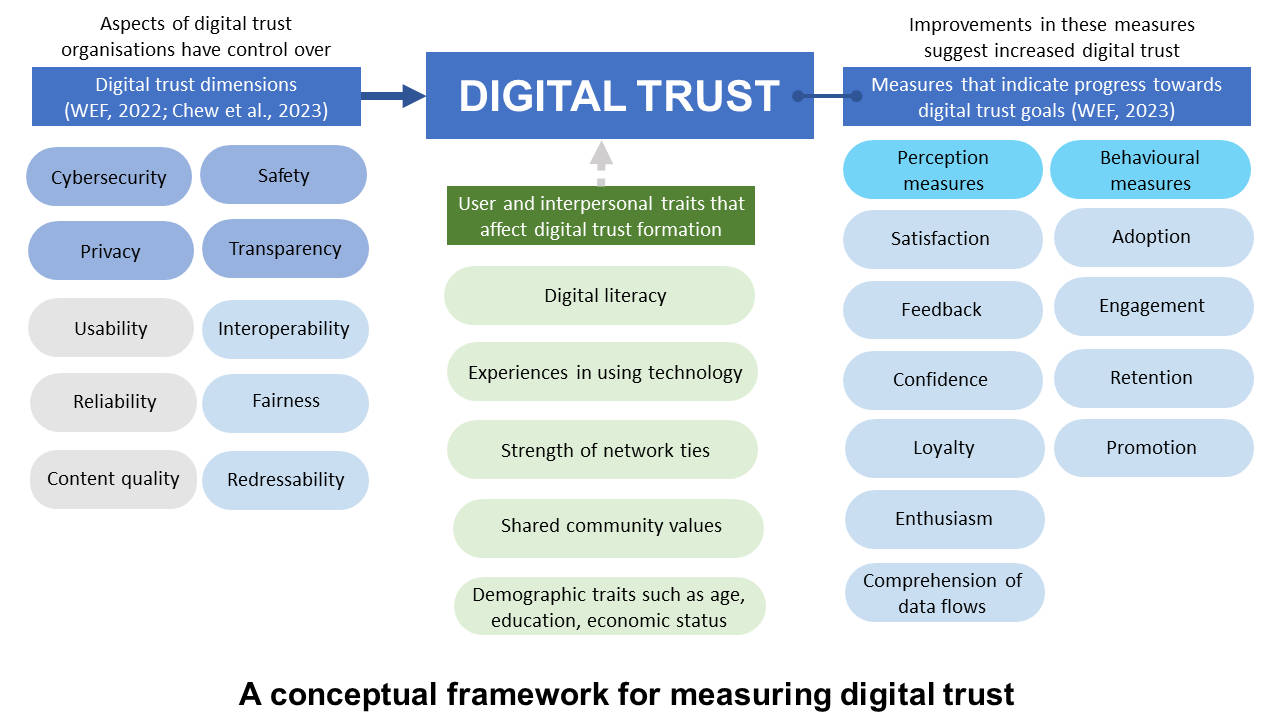
Introduction
In today’s hyper-connected world, digital trust has reached a critical tipping point. Consumers, businesses, and governments are losing faith in online platforms and technologies at an alarming rate. This comprehensive investigation reveals the key factors eroding digital confidence, the consequences of this breakdown, and actionable solutions to restore trust in our digital ecosystems.

A. The State of Digital Trust Today
1. Alarming Trust Statistics
- Only 34% of consumers trust tech companies with their data (Edelman Trust Barometer)
- 81% feel they’ve lost control over personal information (Pew Research)
- Cybersecurity incidents decreased trust for 78% of organizations (Accenture)
2. The Trust Decline Timeline
| Year | Trust Level | Major Incidents |
|---|---|---|
| 2010 | 65% | Early social media era |
| 2015 | 52% | First major data breaches |
| 2020 | 43% | Pandemic surveillance concerns |
| 2024 | 34% | AI manipulation fears |
B. Key Factors Eroding Digital Trust
1. Data Privacy Violations
- 400% increase in data breaches since 2016
- Average cost per breach: $4.45 million (IBM)
- Location tracking without consent affects 87% of apps
2. AI and Algorithmic Distrust
- 68% fear AI will make important life decisions
- Social media algorithms favor extremism by 64%
- Deepfake concerns grew 900% since 2020
3. Financial Digital Distrust
- Cryptocurrency scams stole $4.3 billion in 2023
- 43% doubt online payment security
- Subscription “dark patterns” trap 60% of consumers
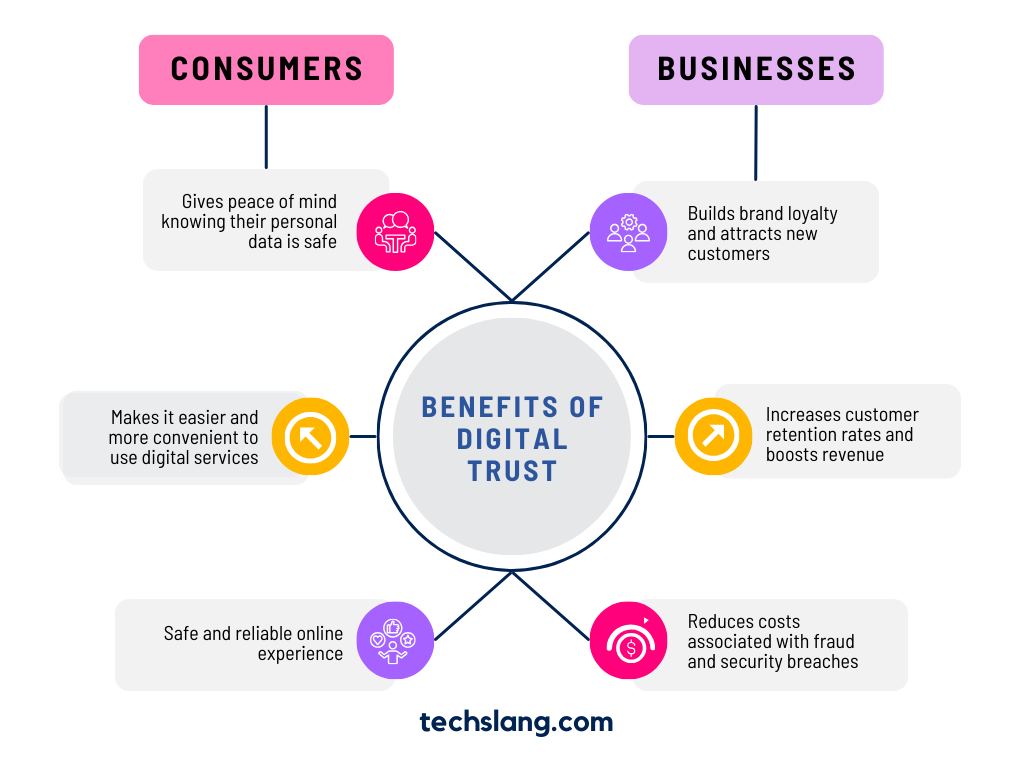
C. Consequences of Declining Trust
1. Economic Impacts
- $3 trillion potential digital economy loss by 2030
- E-commerce growth slowing due to security fears
- Ad blockers used by 42% of internet users
2. Social Fragmentation
- 56% now verify online information before sharing
- Political polarization exacerbated by algorithms
- 30% reduction in social media engagement
3. Technological Hesitation
- IoT adoption slowed by 22% due to privacy fears
- 35% resist digital health tools over data concerns
- Cloud migration delays cost businesses $14 billion annually
D. Restoring Digital Trust: Solutions
1. Corporate Responsibility
- Transparent data practices (Apple’s App Tracking Transparency)
- Ethical AI development guidelines
- Simplified privacy controls (GDPR compliance)
2. Policy and Regulation
- Global data protection standards
- Algorithm accountability laws
- Stronger penalties for violations
3. Consumer Empowerment
A. Digital literacy education programs
B. Decentralized identity solutions
C. Trust verification tools
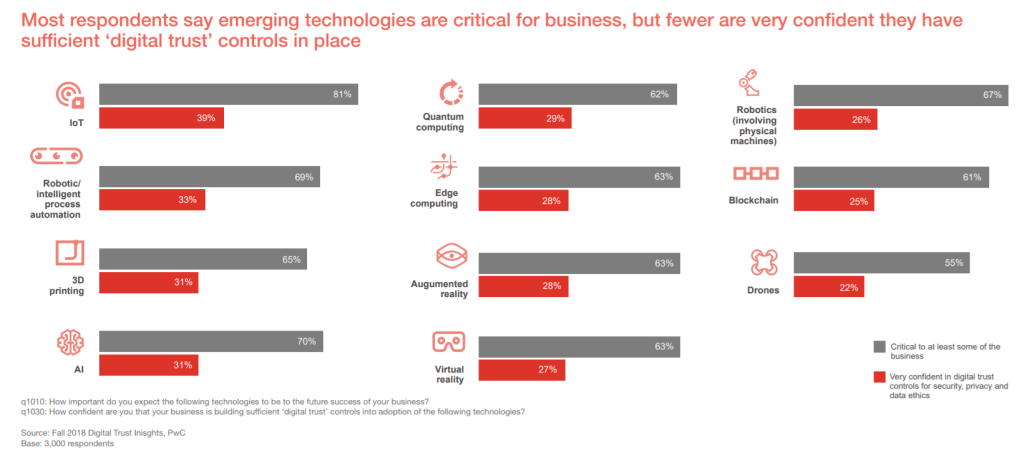
E. The Future of Digital Trust
1. Emerging Trust Technologies
- Blockchain verification systems
- Zero-knowledge proof authentication
- Trust scoring platforms
2. Predicted Trends
- “Trust by design” becoming standard
- Privacy-focused alternatives gaining market share
- Increased demand for human verification
3. Rebuilding Strategies
- Transparency reports from tech giants
- Independent digital oversight bodies
- User-controlled data marketplaces
Conclusion
The decline in digital trust represents one of the most critical challenges of our technological age. While the situation appears dire, the growing awareness of these issues creates opportunities for meaningful reform. Through collaborative efforts between governments, corporations, and users, we can rebuild a digital world worthy of our trust.
Tags: digital trust, data privacy, cybersecurity, online security, tech ethics, information security, consumer trust, digital economy, internet privacy, trustworthy AI
Category: Technology & Society