



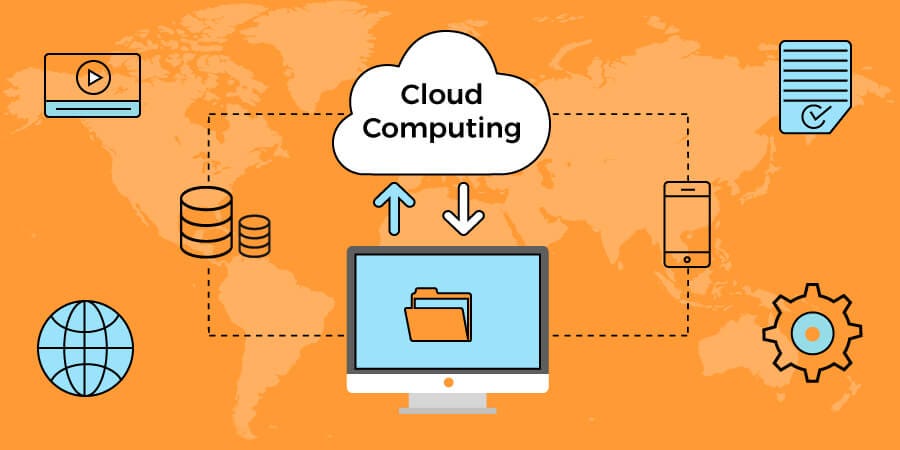
The digital landscape is undergoing a radical transformation, with cloud computing emerging as the backbone of modern business operations. As organizations worldwide embrace digital transformation, cloud technology has become indispensable for enhancing efficiency, reducing costs, and fostering innovation. This in-depth guide explores the multifaceted world of cloud computing, covering its core concepts, advantages, deployment models, challenges, and future prospects—all while providing valuable insights for businesses looking to harness its full potential.

A. Defining Cloud Computing
Cloud computing refers to the on-demand delivery of computing services—including servers, storage, databases, networking, software, and analytics—over the internet. Instead of maintaining physical infrastructure, businesses leverage remote data centers operated by leading providers such as Amazon Web Services (AWS), Microsoft Azure, and Google Cloud Platform (GCP).
Essential Characteristics of Cloud Computing
- On-Demand Self-Service – Users can automatically provision computing resources without human intervention.
- Broad Network Access – Services are accessible from any internet-enabled device, anywhere in the world.
- Resource Pooling – Multiple clients share a common pool of resources, optimizing efficiency.
- Rapid Elasticity – Resources can be scaled up or down instantly to meet fluctuating demands.
- Measured Service – Usage is monitored, controlled, and billed transparently.
B. The Business Case for Cloud Adoption
1. Significant Cost Reductions
- Eliminates capital expenditures (CapEx) on hardware and data centers.
- Operates on a pay-as-you-go model, converting costs to operational expenses (OpEx).
2. Unmatched Scalability
- Businesses can instantly adjust computing power based on real-time needs.
- Ideal for seasonal businesses or those experiencing rapid growth.
3. Enhanced Collaboration Capabilities
- Cloud-based productivity suites (Microsoft 365, Google Workspace) enable seamless teamwork.
- Real-time document collaboration eliminates version control issues.
4. Robust Disaster Recovery
- Automated backups and geo-redundant storage ensure business continuity.
- Recovery time objectives (RTO) are significantly improved over traditional methods.
5. Enterprise-Grade Security
- Leading providers implement:
- End-to-end encryption (for data in transit and at rest)
- Identity and access management (IAM) controls
- Compliance certifications (ISO 27001, SOC 2, HIPAA, GDPR)
 C. Cloud Service Models Explained
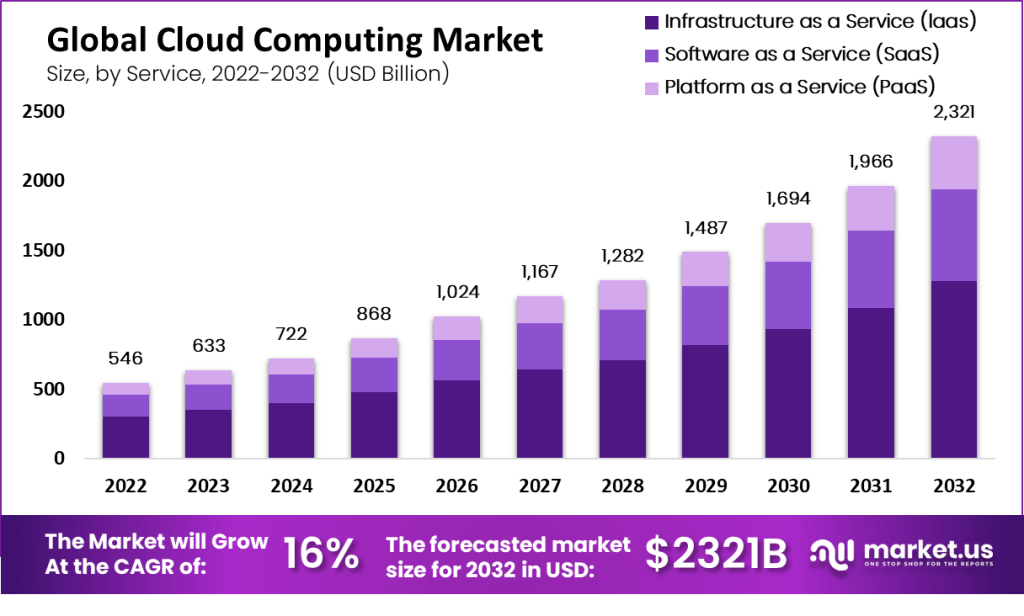
1. Infrastructure as a Service (IaaS)
- Provides virtualized computing infrastructure on demand.
- Use Cases: Website hosting, virtual desktops, storage solutions.
- Leading Providers: AWS EC2, Azure Virtual Machines, Google Compute Engine.
2. Platform as a Service (PaaS)
- Offers a complete development and deployment environment in the cloud.
- Use Cases: Application development, database management, business analytics.
- Leading Providers: Google App Engine, AWS Elastic Beanstalk, Heroku.
3. Software as a Service (SaaS)
- Delivers ready-to-use software applications via the cloud.
- Use Cases: CRM, email, collaboration tools.
- Leading Providers: Salesforce, Zoom, Slack, Dropbox.
D. Cloud Deployment Strategies
1. Public Cloud
- Services hosted by third-party providers and shared among multiple tenants.
- Best For: Startups, SMEs, and businesses needing cost-effective solutions.
2. Private Cloud
- Dedicated infrastructure for a single organization.
- Best For: Enterprises with strict compliance requirements (finance, healthcare).
3. Hybrid Cloud
- Combines public and private clouds for optimal flexibility.
- Best For: Businesses balancing security needs with scalability requirements.
4. Multi-Cloud
- Utilizes services from multiple cloud providers simultaneously.
- Best For: Organizations avoiding vendor lock-in and optimizing performance.
E. Overcoming Cloud Computing Challenges
1. Addressing Security Concerns
- Implement Zero Trust Architecture and regular security audits.
- Choose providers with advanced threat detection capabilities.
2. Ensuring Reliability
- Design fault-tolerant architectures with failover mechanisms.
- Consider multi-cloud strategies for redundancy.
3. Navigating Compliance Complexities
- Select providers with region-specific compliance certifications.
- Implement data residency controls where required.
4. Avoiding Vendor Lock-In
- Adopt containerization (Docker, Kubernetes) for portability.
- Utilize open standards and APIs.
F. The Future of Cloud Computing
1. Edge Computing Integration
- Processing data closer to source devices to reduce latency.
2. AI and Machine Learning Expansion
- Cloud platforms integrating AI-powered analytics and automation.
3. Serverless Architecture Growth
- Developers focusing solely on code while providers manage infrastructure.
4. Quantum Computing Exploration
- Early-stage quantum cloud services promising breakthrough computational power.
5. Sustainable Cloud Initiatives
- Providers investing in carbon-neutral data centers and renewable energy.
G. Making the Cloud Work for Your Business
To successfully implement cloud solutions:
- Assess your current infrastructure and needs
- Choose the right service and deployment models
- Develop a comprehensive migration strategy
- Train staff on cloud security best practices
- Monitor performance and optimize continuously
Conclusion
Cloud computing has evolved from a technological innovation to a business imperative, offering unparalleled advantages in efficiency, scalability, and cost management. While challenges exist, ongoing advancements in security, AI integration, and edge computing continue to expand its potential. Businesses that strategically adopt and adapt to cloud technologies will gain a significant competitive edge in our increasingly digital world.
Tags: cloud computing, digital transformation, cloud security, SaaS, IaaS, PaaS, hybrid cloud, multi-cloud strategy, edge computing, AI in business
Category: Technology & Business Innovation