



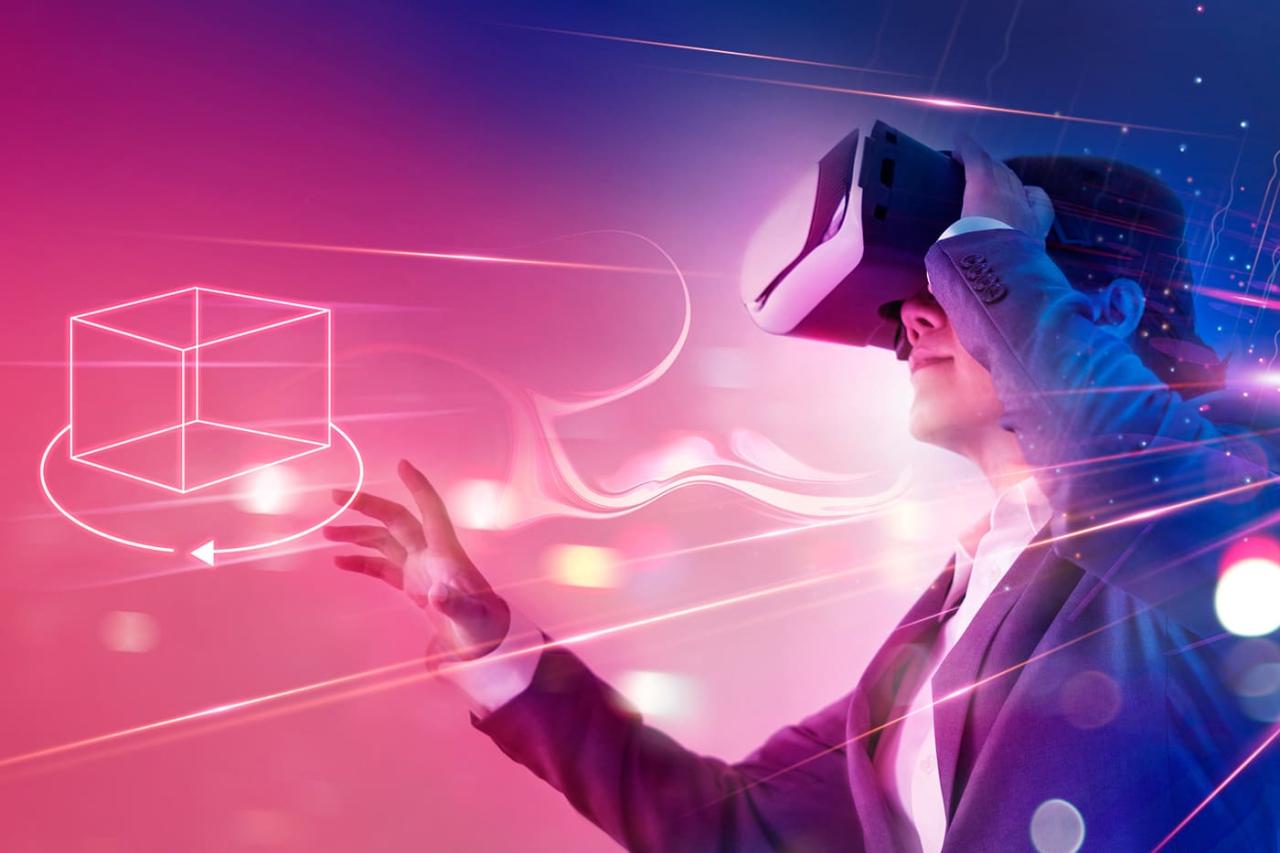
The metaverse is no longer science fiction—it’s the next digital frontier. With tech giants like Meta, Microsoft, and Google investing billions, this virtual universe is set to transform how we work, socialize, and entertain ourselves. This 2000+ word guide explores the metaverse’s rapid growth, key technologies driving it, future predictions, and how businesses and individuals can prepare for this seismic shift.

A. Understanding the Metaverse Ecosystem
The metaverse is an interconnected network of 3D virtual worlds focused on social connection and persistence.
- Core Components
- Virtual Reality (VR): Immersive headsets like Oculus Rift
- Augmented Reality (AR): Digital overlays via devices like Microsoft HoloLens
- Blockchain: NFTs for digital ownership and cryptocurrency transactions
- AI: Intelligent avatars and personalized experiences
- Current Platforms Leading the Charge
- Decentraland (Blockchain-based virtual world)
- Horizon Worlds (Meta’s social VR platform)
- Microsoft Mesh (Enterprise metaverse solutions)
B. Industries Being Transformed
- Retail & E-Commerce
- Virtual try-ons (Gucci’s digital sneakers)
- NFT-based ownership of digital fashion
- Real Estate
- Virtual land sales (Average price: $12,000 per parcel in 2022)
- Digital architecture and virtual showings
- Education
- Immersive historical recreations
- Medical students practicing virtual surgeries
- Entertainment
- Virtual concerts (Travis Scott’s Fortnite event drew 12M viewers)
- Interactive movie experiences
C. Technologies Powering the Metaverse
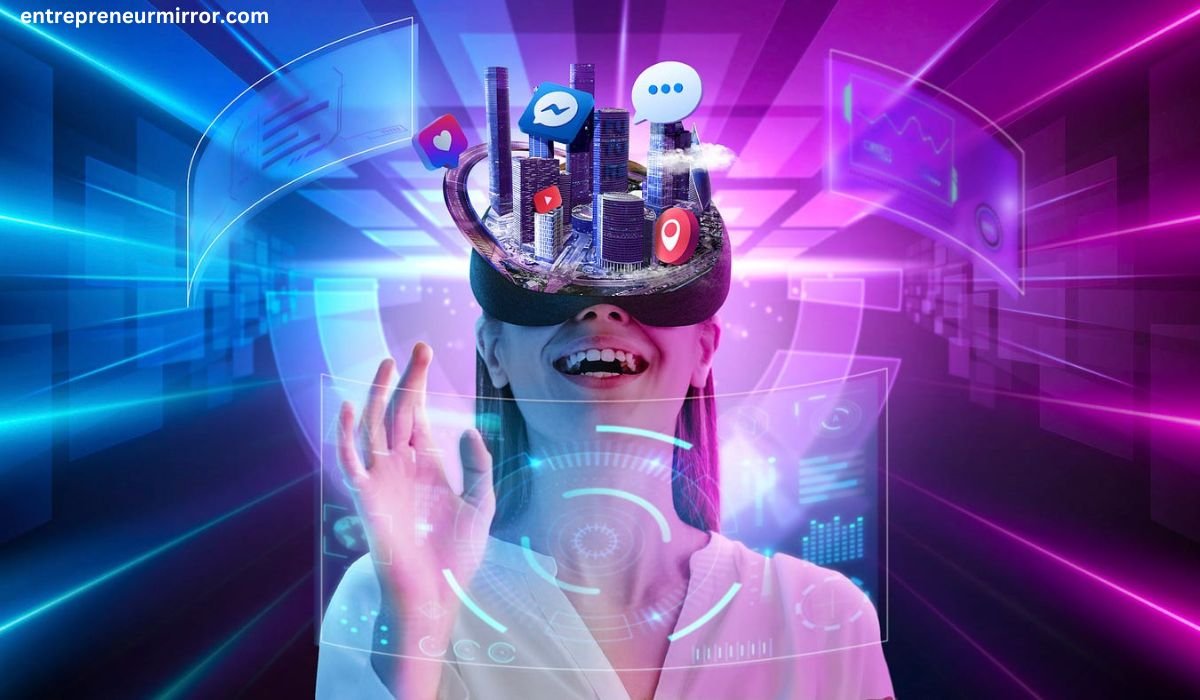
- Extended Reality (XR)
- Combines VR, AR and Mixed Reality (MR)
- Market projected to reach $397B by 2026
- Web3 & Blockchain
- Decentralized identity systems
- Play-to-earn gaming economies
- 5G & Edge Computing
- Enables low-latency interactions
- Critical for realistic avatar movements
- Digital Twins
- Virtual replicas of physical objects
- Used in manufacturing and urban planning
D. Business Opportunities in the Metaverse
- New Revenue Streams
- Virtual goods market expected to hit $50B by 2025
- Advertising in virtual spaces
- Remote Work Evolution
- Virtual offices with spatial audio
- 3D collaboration tools
- Skills in Demand
- Metaverse architects
- Virtual event planners
- Digital fashion designers

E. Challenges & Concerns
- Privacy Issues
- Biometric data collection through VR
- Behavioral tracking in virtual spaces
- Digital Addiction Risks
- Potential for escapism
- Impact on mental health
- Technological Barriers
- High hardware costs
- Digital divide concerns
F. Future Predictions (2025-2030)
- Mainstream Adoption Timeline
- 2025: 25% of people will spend 1+ hour daily in metaverse
- 2030: First “metaverse native” generation emerges
- Economic Impact
- Could contribute $5T to global GDP by 2030
- New job categories will emerge
- Physical-Digital Convergence
- Haptic feedback suits
- Neural interface development
G. How to Prepare for the Metaverse
- For Businesses
- Experiment with virtual storefronts
- Invest in digital asset creation
- For Professionals
- Learn 3D modeling tools like Blender
- Understand blockchain fundamentals
- For Consumers
- Start with accessible platforms like Roblox
- Protect digital identity and assets
Conclusion
The metaverse represents more than just new technology—it’s a fundamental shift in human interaction and commerce. While challenges exist, the opportunities for innovation are boundless. Early adopters who understand this space will shape its future and reap significant rewards.
Tags: metaverse, virtual reality, augmented reality, web3, digital economy, future technology, VR headsets, blockchain, NFT, digital transformation