





Artificial Intelligence (AI) continues to evolve at an unprecedented pace, reshaping industries and redefining human capabilities. The next big leap in AI promises groundbreaking advancements that could revolutionize everything from healthcare to automation. This in-depth guide explores the most anticipated developments in AI, their potential impacts, and how they will transform our future.
A. Understanding the Current State of AI
AI has already made significant strides, but what’s coming next?
1. AI’s Current Capabilities
-
Machine Learning (ML): Powers predictive analytics and automation.
-
Natural Language Processing (NLP): Enables chatbots like ChatGPT.
-
Computer Vision: Used in facial recognition and autonomous vehicles.
2. Limitations of Today’s AI
-
Lack of True Understanding: AI mimics but doesn’t comprehend.
-
Data Dependency: Requires massive datasets for training.
-
Ethical Concerns: Bias, privacy, and job displacement issues.
B. The Next Big Leap in AI: Key Predictions
Experts forecast several major advancements in the near future.
1. Artificial General Intelligence (AGI)
-
Definition: AI with human-like reasoning and adaptability.
-
Potential Uses: Scientific research, creative problem-solving.
-
Challenges: Ensuring safety and ethical alignment.
2. Quantum AI
-
How It Works: Combines quantum computing with AI for ultra-fast processing.
-
Applications: Drug discovery, cryptography, climate modeling.
-
Obstacles: Quantum hardware is still in early development.
3. Self-Improving AI Systems
-
AutoML: AI that designs better AI models.
-
Recursive Self-Enhancement: AI improving its own algorithms.
-
Risks: Potential loss of human control.
C. Industries That Will Be Transformed
AI’s next leap will disrupt multiple sectors.
1. Healthcare
-
Personalized Medicine: AI-tailored treatment plans.
-
Early Disease Detection: AI analyzing medical scans faster than doctors.
2. Finance
-
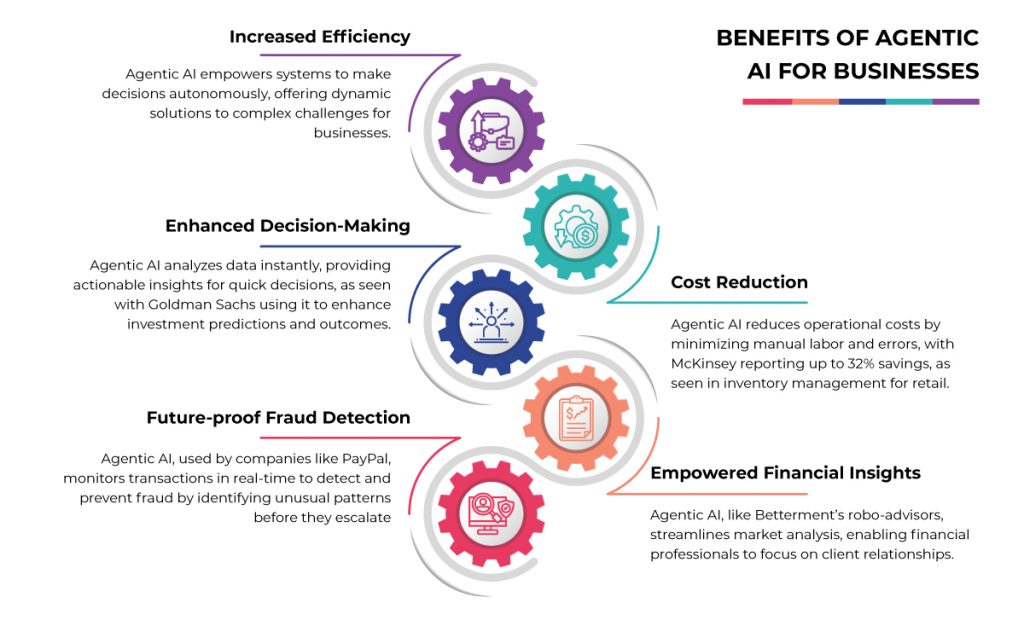
Fraud Prevention: Real-time anomaly detection.
-
Algorithmic Trading: AI predicting market trends with high accuracy.
3. Manufacturing & Automation
-
Smart Factories: Fully autonomous production lines.
-
Predictive Maintenance: AI preventing equipment failures.
D. Ethical and Societal Implications
With great power comes great responsibility.
1. Ethical Concerns
-
Bias in AI: Ensuring fairness in decision-making.
-
Privacy Issues: Balancing data usage and individual rights.
2. Job Market Impact
-
Job Displacement: Which roles are at risk?
-
New Opportunities: Emerging careers in AI oversight and ethics.
3. Regulatory Challenges
-
Global AI Policies: How governments are responding.
-
Corporate Responsibility: Tech giants’ role in ethical AI.
E. Preparing for an AI-Driven Future
How businesses and individuals can adapt.
1. Upskilling for the AI Era
-
Key Skills: Data science, programming, AI ethics.
-
Online Courses: Best platforms to learn AI (Coursera, Udacity).
2. Businesses Embracing AI
-
Integration Strategies: Steps to implement AI solutions.
-
Case Studies: Companies successfully using AI.
3. Government & Education Roles
-
Policy Frameworks: Encouraging innovation while protecting citizens.
-
AI in Schools: Preparing the next generation.
Conclusion
The next major leap in AI will bring both incredible opportunities and complex challenges. By understanding these advancements, we can harness AI’s potential responsibly and prepare for a future where intelligent systems play a central role in society.
Tags: Artificial Intelligence, AGI, Quantum AI, Machine Learning, Future of AI, AI Ethics, Automation, Healthcare AI, AI in Finance, Self-Improving AI