





In today’s increasingly digital world, blockchain technology has emerged as the gold standard for securing valuable digital assets. From cryptocurrencies to intellectual property, decentralized ledger technology provides unprecedented protection against hacking, fraud, and unauthorized access. This comprehensive 2,500-word guide examines how blockchain is transforming digital asset security across industries, offering concrete examples, implementation strategies, and future projections that demonstrate why 82% of Fortune 500 companies are now exploring blockchain solutions (Deloitte 2023).
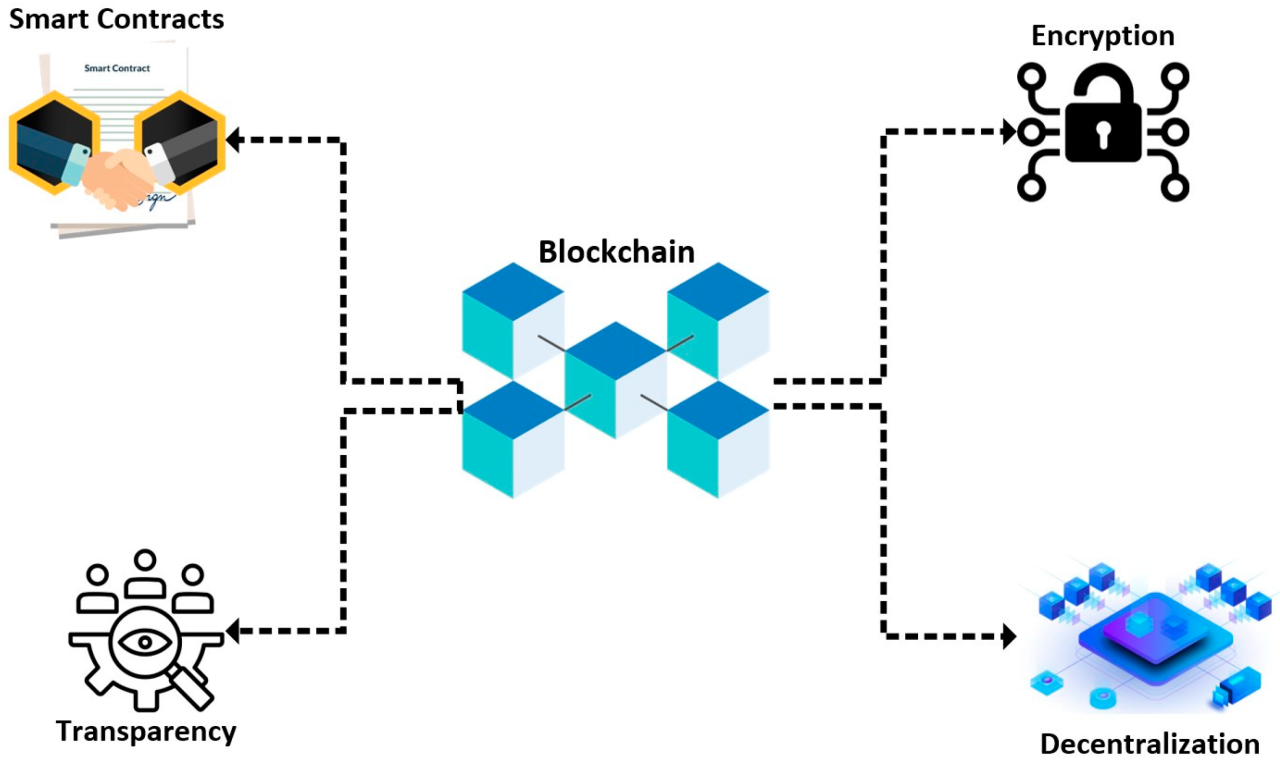
A. The Blockchain Security Advantage
-
Immutability
-
Cryptographic hashing creates tamper-proof records
-
51% attack resistance in major networks
-
Timestamped transactions prevent backdating
-
-
Decentralization
-
Eliminates single points of failure
-
Distributed consensus verification
-
10,000+ node networks securing Bitcoin
-
-
Transparency
-
Publicly auditable transaction histories
-
Real-time monitoring capabilities
-
Smart contract code visibility
-
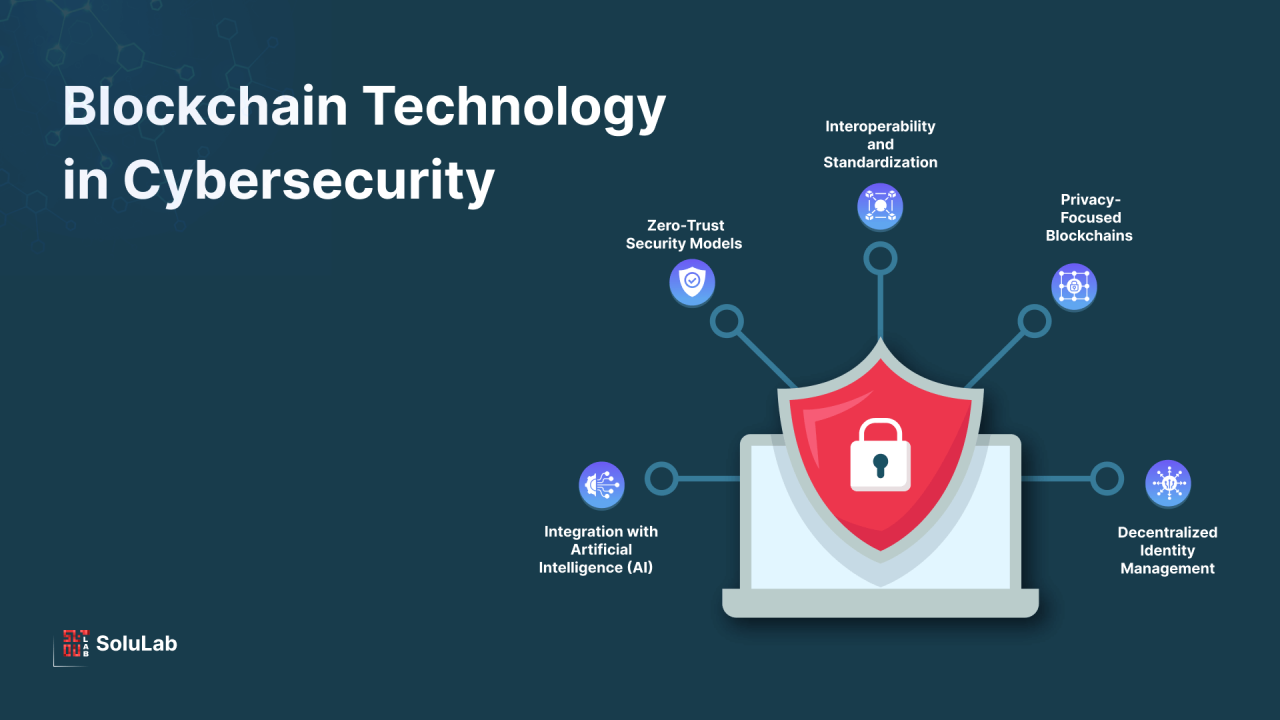
B. Key Digital Assets Secured by Blockchain
1. Cryptocurrencies
-
$1.2T market cap protected by blockchain
-
Cold storage solutions for institutional assets
-
Multi-signature wallet protocols
2. Intellectual Property
-
NFT-based copyright verification
-
Timestamped patent filings
-
Digital art provenance tracking
3. Sensitive Documents
-
Blockchain-based identity management
-
Medical record security solutions
-
Legal contract authentication
4. Supply Chain Assets
-
Product authenticity verification
-
Tamper-proof logistics records
-
Ethical sourcing certification
C. Technical Mechanisms Ensuring Security
-
Cryptographic Foundations
-
SHA-256 hashing algorithms
-
Public/private key encryption
-
Elliptic curve digital signatures
-
-
Consensus Protocols
-
Proof-of-Work (Bitcoin)
-
Proof-of-Stake (Ethereum 2.0)
-
Delegated Proof-of-Stake (EOS)
-
-
Smart Contract Safeguards
-
Formal verification methods
-
Multi-party authorization
-
Circuit breaker mechanisms
-
D. Implementation Strategies for Organizations
-
Assessment Phase
-
Asset vulnerability analysis
-
Blockchain suitability evaluation
-
Cost-benefit projections
-
-
Solution Selection
-
Public vs. private blockchains
-
Hybrid architecture options
-
Consortium blockchain networks
-
-
Deployment Process
-
Pilot program development
-
Integration with legacy systems
-
Staff training protocols
-
-
Maintenance & Upgrades
-
Security patch management
-
Node performance monitoring
-
Protocol improvement proposals
-
E. Overcoming Implementation Challenges
-
Technical Barriers
-
Scalability limitations
-
Interoperability issues
-
Key management complexity
-
-
Organizational Hurdles
-
Regulatory uncertainty
-
Talent acquisition
-
Change resistance
-
-
Cost Considerations
-
Infrastructure expenses
-
Energy consumption
-
Ongoing maintenance
-
F. Future of Blockchain Security (2025-2030)
-
Emerging Innovations
-
Quantum-resistant cryptography
-
AI-enhanced threat detection
-
Self-sovereign identity solutions
-
-
Market Projections
-
$150B+ blockchain security market by 2030
-
90% of enterprises adopting blockchain security
-
Standardized regulatory frameworks
-
-
Industry Transformations
-
Central bank digital currencies
-
Decentralized cloud storage
-
Autonomous organization security
-
Conclusion
Blockchain technology has fundamentally redefined digital asset security, offering protection mechanisms that were previously unimaginable. As cyber threats grow increasingly sophisticated, blockchain’s decentralized, transparent, and immutable nature provides a robust defense system for valuable digital assets. Organizations that implement blockchain security solutions today will be positioned as leaders in the digital economy of tomorrow.
Tags: blockchain security, digital asset protection, cryptocurrency safety, decentralized ledgers, smart contract security, blockchain implementation, cyber security, digital identity, NFT security, enterprise blockchain