




In our hyper-connected world, a counterintuitive movement is gaining momentum: digital minimalism. This philosophy of intentional technology use is transforming how people interact with digital devices. Unlike traditional digital detoxes, digital minimalism represents a fundamental lifestyle shift – one that’s proving to boost productivity, mental health, and overall life satisfaction. This comprehensive guide explores why this trend is growing, how to implement it, and the surprising benefits of using technology with purpose rather than by default.

A. Understanding Digital Minimalism
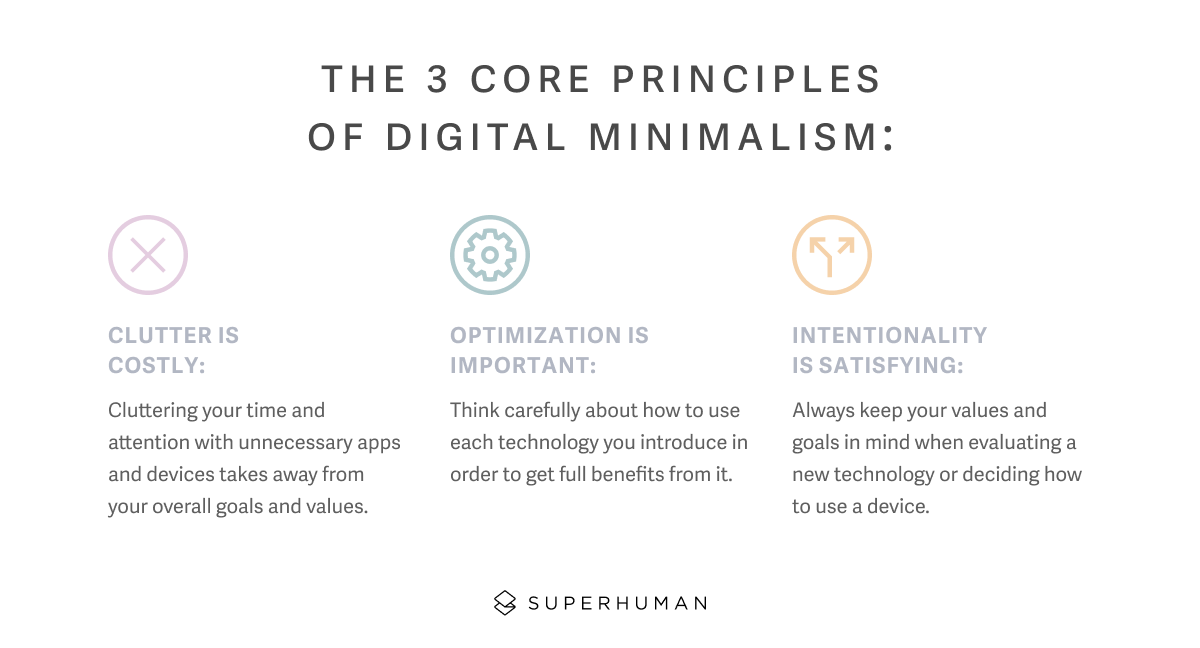
Digital minimalism is the practice of strategically eliminating non-essential technology use to focus on what truly matters. Key principles include:
- Intentionality – Every digital tool must justify its existence in your life
- Optimization – Streamlining digital workflows to reduce friction
- Mindfulness – Being fully present rather than constantly distracted
Unlike simply reducing screen time, digital minimalism focuses on quality rather than quantity of digital engagement.
B. The Science Behind the Movement
Research validates why this approach works:
- Cognitive Benefits
- A Stanford study found heavy multitaskers perform worse at filtering irrelevant information
- University of London research shows constant email checking lowers IQ more than marijuana use
- Psychological Improvements
- Reduced anxiety and decision fatigue from fewer digital choices
- Increased capacity for deep work and creative thinking
- Physical Health Gains
- Better sleep quality from reduced blue light exposure
- Improved posture and reduced “tech neck” pain
C. Practical Implementation: A Step-by-Step Guide
Phase 1: Digital Audit
- Track all digital activities for one week
- Categorize each as essential, valuable, or unnecessary
- Identify time-wasting patterns and emotional triggers
Phase 2: Strategic Reduction
A. Eliminate redundant apps and services
B. Implement single-purpose device usage
C. Create tech-free zones in your home
Phase 3: Intentional Reintroduction
- Only add back tools that provide clear value
- Establish strict usage guidelines for each platform
- Schedule regular digital decluttering sessions
D. Essential Tools for Digital Minimalists
- Focus Assistants
- Freedom app for blocking distractions
- Cold Turkey Writer for distraction-free writing
- Simplified Devices
- Light Phone for essential communications
- ReMarkable tablet for digital note-taking
- Digital Organization Systems
- PARA method for file organization
- Time-blocking calendars for intentional scheduling
E. Overcoming Common Challenges
Challenge 1: Social Pressure
- Solution: Set clear boundaries and communicate them politely but firmly
Challenge 2: Work Requirements
- Solution: Negotiate core hours for focused work without interruptions
Challenge 3: Fear of Missing Out (FOMO)
- Solution: Schedule designated times for checking updates rather than constant monitoring

F. The Future of Digital Minimalism
Emerging trends suggest this movement will grow:
- Tech Companies Responding
- Apple’s Screen Time features
- Google’s Digital Wellbeing initiative
- Workplace Adoption
- Meeting-free days becoming more common
- Asynchronous communication replacing constant availability
- Educational Shifts
- Schools implementing tech-free learning periods
- Focus on digital literacy rather than just digital access
Conclusion
Digital minimalism isn’t about rejecting technology, but about harnessing it more effectively. By being intentional with our digital choices, we reclaim our attention, time, and mental space for what truly matters. As technology becomes increasingly pervasive, the ability to use it selectively rather than compulsively may become one of the most valuable skills of the 21st century.
Tags: digital minimalism, tech life balance, digital detox, mindful technology, productivity hacks, attention management, digital wellbeing, screen time reduction, intentional living, focus improvement