



The retail landscape has undergone a seismic shift as e-commerce continues to outpace traditional brick-and-mortar stores. With digital shopping becoming the preferred choice for consumers worldwide, businesses must adapt or risk obsolescence. This comprehensive 2,000+ word guide examines the factors driving e-commerce growth, its advantages over physical retail, emerging trends, and strategies for businesses to thrive in this new era.

A. The Rise of E-Commerce: Key Statistics
1. Global Market Penetration
-
E-commerce accounted for 19.5% of retail sales in 2023
-
Projected to reach 24% by 2026 (Statista)
-
China leads with 46% e-commerce penetration
2. Pandemic Acceleration
-
Online sales grew 43% in 2020 (UNCTAD)
-
75% of consumers changed shopping habits permanently (McKinsey)
3. Mobile Commerce Boom
-
M-commerce makes up 72% of e-commerce sales
-
Average user spends 3.5 hours shopping on mobile weekly
B. Why E-Commerce Outperforms Physical Stores
1. Unmatched Convenience
-
24/7 shopping availability
-
No geographical limitations
-
One-click purchasing
-
Automated subscriptions
2. Cost Efficiency
-
Lower overhead costs (no rent, utilities)
-
Reduced staffing requirements
-
Dynamic pricing capabilities
-
Automated inventory management
3. Personalization Advantages
-
AI-powered recommendations
-
Targeted email marketing
-
Customized shopping experiences
-
Behavioral tracking for optimization
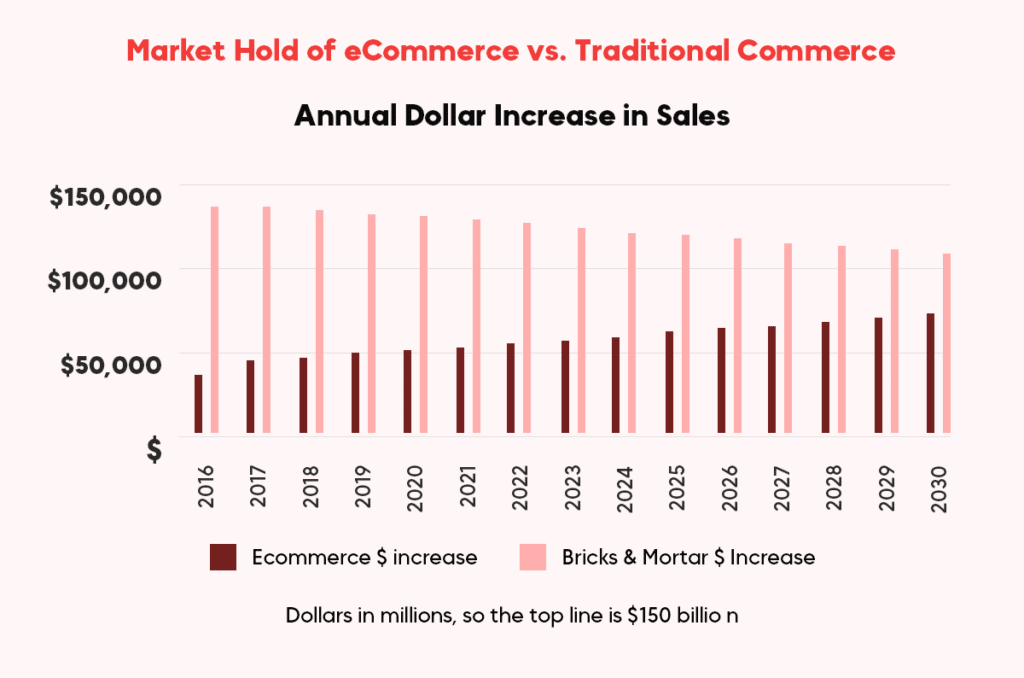
C. Technologies Powering E-Commerce Growth
1. AI and Machine Learning
-
Chatbots for customer service
-
Visual search technology
-
Predictive analytics for stock management
-
Fraud detection systems
2. Augmented Reality
-
Virtual try-ons for apparel
-
3D product visualization
-
AR-powered showrooms
-
Interactive product manuals
3. Payment Innovations
-
One-click checkout systems
-
Cryptocurrency acceptance
-
Buy-now-pay-later options
-
Biometric authentication
D. Challenges for Traditional Retailers
1. Declining Foot Traffic
-
40% drop in mall visits since 2018
-
15,000+ US store closures in 2023
2. Inventory Management Issues
-
Overstocking problems
-
Supply chain disruptions
-
Warehouse space limitations
3. Customer Experience Gaps
-
Limited personalization
-
Inflexible return policies
-
Longer checkout processes

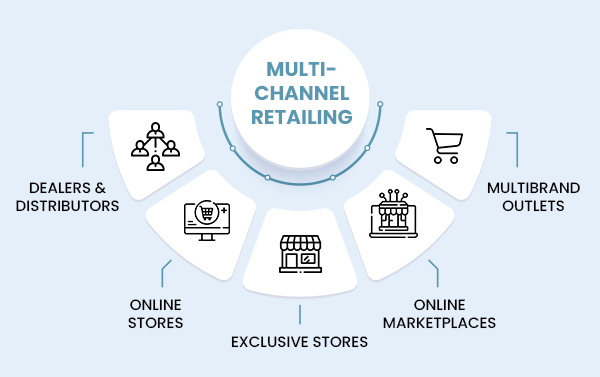
E. Hybrid Retail: The Future Model
1. Click-and-Collect Services
-
Curbside pickup options
-
In-store kiosks for online orders
-
Locker delivery systems
2. Experiential Retail
-
Interactive product displays
-
In-store events with online integration
-
Technology demonstration zones
3. Unified Commerce Platforms
-
Integrated inventory systems
-
Omnichannel customer profiles
-
Seamless return processes
F. Emerging E-Commerce Trends
1. Social Commerce Expansion
-
TikTok Shop growing 300% annually
-
Instagram checkout adoption
-
Live shopping events
2. Sustainability Focus
-
Carbon-neutral deliveries
-
Eco-friendly packaging
-
Second-hand marketplaces
3. Voice Commerce Growth
-
55% of households will use voice shopping by 2025
-
Voice search optimization
-
Audio-based product discovery
G. Actionable Strategies for Retailers
1. Digital Transformation Roadmap
-
Website optimization checklist
-
Mobile-first design principles
-
Progressive web app development
2. Data-Driven Marketing
-
Customer segmentation tactics
-
Retargeting campaign strategies
-
Predictive analytics implementation
3. Logistics Optimization
-
Last-mile delivery solutions
-
Micro-fulfillment centers
-
Drone delivery pilot programs
Conclusion
The e-commerce revolution shows no signs of slowing, with digital platforms offering unprecedented convenience, personalization, and efficiency. While traditional retail still serves important functions, the future belongs to businesses that can successfully merge digital and physical experiences. By embracing emerging technologies, optimizing operations, and prioritizing customer experience, retailers can position themselves for success in this new retail paradigm.
Tags: e-commerce growth, online shopping trends, retail transformation, digital commerce, omnichannel retail, m-commerce, AI in retail, future of shopping, e-commerce strategies, retail technology