



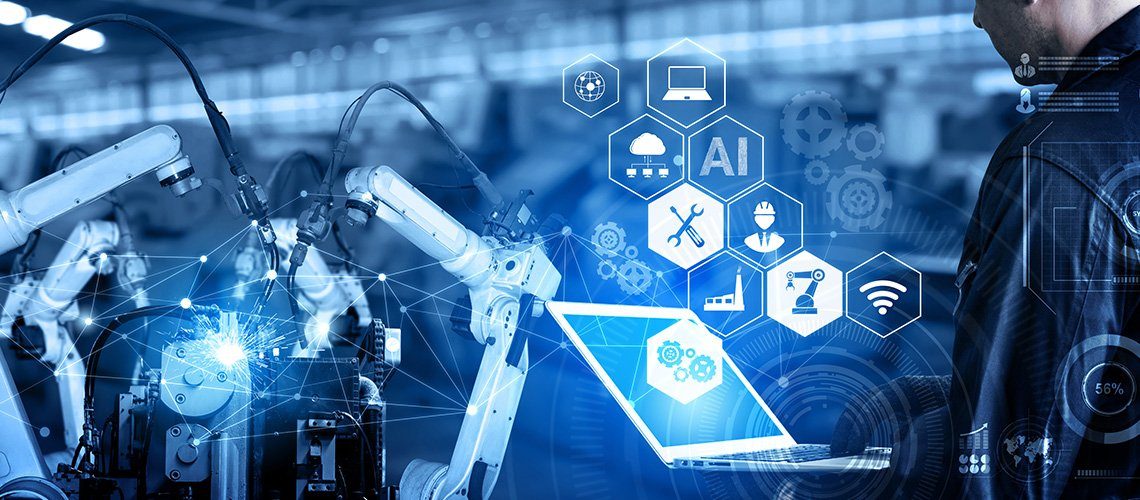

The rapid advancement of automation technologies is fundamentally reshaping the global job market. From manufacturing plants to corporate offices, intelligent machines and AI systems are increasingly performing tasks once handled exclusively by humans. This comprehensive 2,000+ word analysis explores the profound impact of automation across industries, examining both the displacement of traditional jobs and the emergence of new opportunities in the digital economy.
A. The Current State of Workplace Automation
1. Industry Adoption Rates
-
Manufacturing leads with 30% automation penetration
-
Healthcare automation growing at 19% annually
-
47% of financial tasks now automated
-
Retail sector automating 28% of operations
2. Key Automation Technologies
-
Industrial robots (1.7 million units deployed globally)
-
RPA (Robotic Process Automation) software
-
AI-powered cognitive automation systems
-
Self-service kiosks and digital interfaces
3. Economic Impact Metrics
-
Automation contributes $6.7 trillion to global GDP
-
Labor productivity increased 40% in automated sectors
-
63% of companies report reduced operational costs
B. Most Vulnerable Job Categories
1. High-Risk Occupations
-
Data entry clerks (90% automation potential)
-
Assembly line workers (85% potential)
-
Telemarketers (99% potential)
-
Bookkeeping clerks (98% potential)
2. Moderate-Risk Professions
-
Retail cashiers (75% potential)
-
Truck drivers (65% potential)
-
Fast food workers (80% potential)
-
Bank tellers (60% potential)
3. Emerging Job Threats
-
Paralegals (AI document review)
-
Journalists (automated content generation)
-
Radiologists (AI diagnostics)
-
Accountants (automated tax software)

C. Industries Creating New Opportunities
1. Technology Sector Growth
-
AI specialist roles increased 74% since 2020
-
Robotics maintenance technicians in high demand
-
Data scientist positions growing 35% annually
2. Emerging Hybrid Roles
-
AI trainers (teaching machine learning systems)
-
Automation coordinators (human-machine workflow managers)
-
Robot ethics compliance officers
-
Digital transformation consultants
3. Uniquely Human Skills in Demand
-
Emotional intelligence specialists
-
Creative problem solvers
-
Complex relationship managers
-
Innovation strategists
D. The Economic and Social Impact
1. Productivity Paradox
-
60% productivity gains in automated factories
-
24/7 operational capabilities
-
Reduced human error rates
2. Wage Polarization Effects
-
35% wage premium for tech-skilled workers
-
Declining wages in automatable positions
-
Growing skills-based earnings gap
3. Geographic Disparities
-
Urban tech hubs benefiting disproportionately
-
Manufacturing regions facing economic decline
-
Developing nations experiencing mixed impacts
E. Workforce Transition Strategies
1. Government Initiatives
-
Singapore’s SkillsFuture program (500,000 retrained)
-
Germany’s Industry 4.0 education reforms
-
Canada’s Automation Adjustment Benefit
2. Corporate Retraining Programs
-
Amazon’s $700 million upskilling initiative
-
Walmart’s Live Better U education benefits
-
AT&T’s $1 billion reskilling investment
3. Individual Adaptation Approaches
-
Microcredentialing for digital skills
-
Portfolio career development
-
Continuous learning mindset adoption
F. The Future of Human-Automation Collaboration
1. Cobotics Workplace Models
-
Human-robot teaming in manufacturing
-
AI-assisted decision making in offices
-
Hybrid intelligence systems
2. Changing Employment Structures
-
Rise of gig economy platforms
-
Project-based work arrangements
-
Decentralized autonomous organizations
3. Long-Term Societal Shifts
-
Potential universal basic income models
-
Reduced standard work weeks
-
Value redefinition around human creativity
Conclusion
While automation is undoubtedly displacing certain job categories, it’s simultaneously creating new opportunities that leverage uniquely human capabilities. The future workforce will require adaptability, technological literacy, and creative problem-solving skills. Successful economies will be those that implement comprehensive retraining programs and develop policies to smooth the transition. Rather than resisting automation, the most effective approach involves strategically preparing for and shaping the future of work.
Tags: automation impact, future of work, job displacement, AI workforce, robotic process automation, workplace transformation, technological unemployment, reskilling strategies, human-machine collaboration, digital economy