



Introduction
The financial landscape is undergoing a radical transformation as digital banks disrupt traditional banking models. With seamless mobile experiences, lower fees, and innovative features, neobanks are attracting millions of customers worldwide. This comprehensive guide explores how digital-only banks are reshaping personal and business finance, the key players leading this revolution, and what the future holds for banking technology.

A. The Rise of Digital Banking
1. What Are Digital Banks?
Digital banks (neobanks) are:
- 100% mobile-first financial institutions
- No physical branches
- Offer checking/savings accounts, loans, and investment services
- Use AI and data analytics for personalized services
2. Growth Statistics (2024)
- Global neobank users expected to reach 500 million by 2025
- Digital banking sector valued at $1.2 trillion and growing at 20% CAGR
- 65% of millennials prefer digital banks over traditional ones
3. Key Differences: Traditional vs Digital Banks
| Feature | Traditional Banks | Digital Banks |
|---|---|---|
| Branches | Physical locations | App-only |
| Account Opening | Days | Minutes |
| Fees | High monthly charges | Low/no fees |
| Innovation | Slow updates | Continuous feature releases |
B. Advantages of Digital Banking
1. Enhanced User Experience
- Instant account setup (5-minute approval)
- AI-powered budgeting tools
- Real-time notifications for all transactions
- 24/7 customer service via chatbots
2. Lower Costs & Better Rates
- No minimum balance requirements
- 50-70% lower fees than traditional banks
- Higher interest rates on savings (up to 4% APY)
3. Advanced Security Features
- Biometric authentication (Face ID, fingerprint)
- Instant card freezing/unfreezing
- AI fraud detection systems
4. Global Accessibility
- Multi-currency accounts
- Free international transfers
- Borderless business accounts
C. Leading Digital Banks Worldwide
1. Top Consumer Neobanks
- Chime (US): 15M+ users, early direct deposit
- Revolut (UK): 30M+ users, cryptocurrency trading
- Nubank (Brazil): 90M+ customers, Latin America’s largest
2. Best Business Digital Banks
- Mercury (US): Startup-friendly banking
- Qonto (EU): SME financial management
- Airwallex: Global business payments
3. Emerging Market Leaders
- TymeBank (South Africa): 8M+ unbanked customers served
- KakaoBank (South Korea): 20M+ users in 5 years
- Neat (Hong Kong): APAC business accounts
 D. Technology Powering Digital Banks
1. Core Innovations
- Cloud Computing: Enables scalability and reliability
- Open Banking APIs: Third-party app integrations
- Blockchain: Secure cross-border transactions
- AI/ML: Personalized financial insights
2. Security Measures
- End-to-end encryption
- Behavioral biometrics
- Tokenization for payments
3. Future Tech Integration
- Voice-controlled banking
- AR-powered financial visualization
- Embedded finance in social apps
E. Challenges Facing Digital Banks
1. Regulatory Hurdles
- Compliance across multiple jurisdictions
- Anti-money laundering (AML) requirements
- Data protection regulations (GDPR, CCPA)
2. Profitability Concerns
- Customer acquisition costs
- Thin margins on no-fee models
- Need for premium subscription tiers
3. Customer Trust Issues
- Perceived security risks
- Lack of physical presence
- Limited product range vs traditional banks
F. The Future of Digital Banking
1. Predicted Trends (2025-2030)
- Hyper-personalization using AI
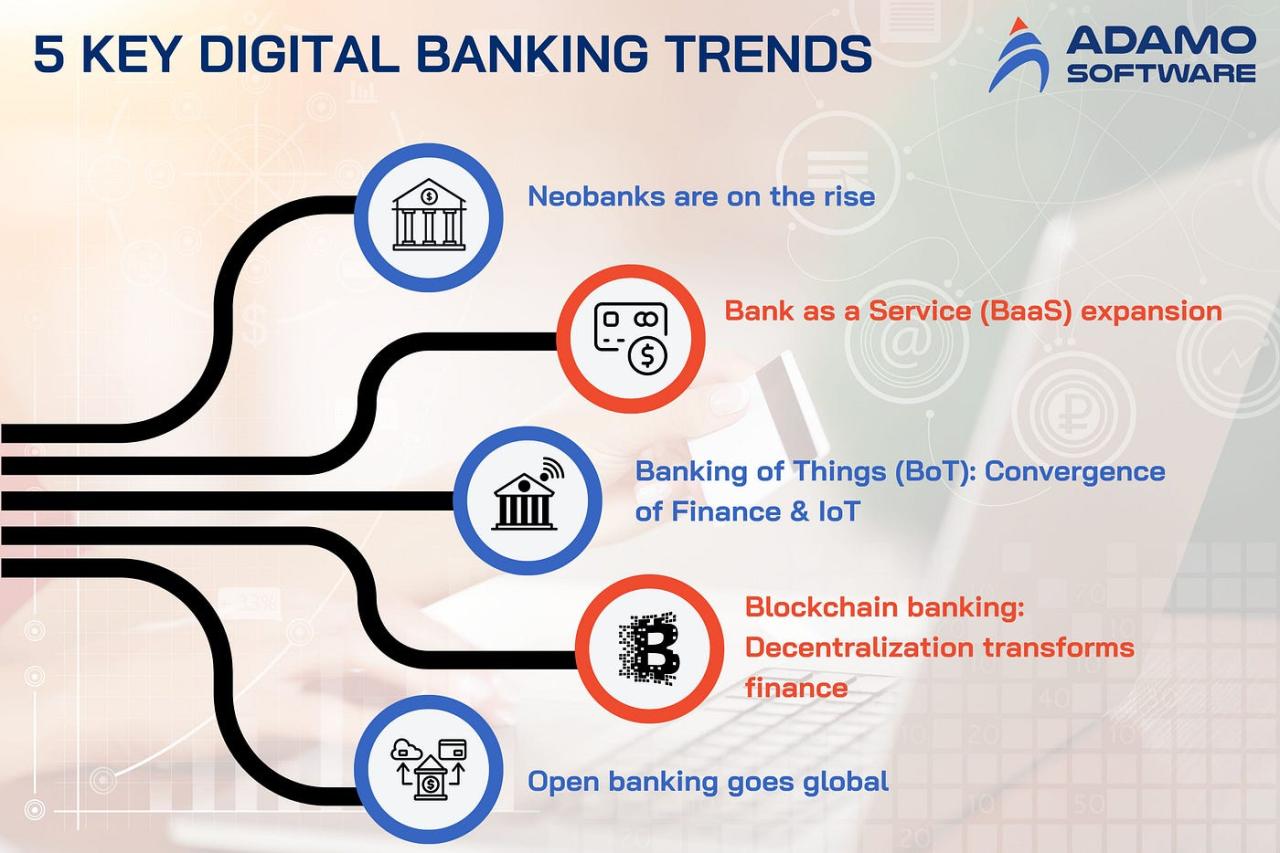
- Banking-as-a-Service (BaaS) platforms
- Decentralized finance (DeFi) integration
- Voice-first banking interfaces
2. Potential Market Shifts
- Traditional banks acquiring neobanks
- Big tech companies entering banking
- Fully autonomous AI-powered banks
3. Long-Term Impact
- Financial inclusion for unbanked populations
- Death of physical bank branches
- Complete digitization of financial services
 G. How to Choose a Digital Bank
1. Key Selection Criteria
✔️ Regulatory licenses and insurance
✔️ Fee structure transparency
✔️ App functionality and UX
✔️ Customer support quality
✔️ International capabilities
2. Switching Process
- Compare options using review platforms
- Open new account digitally
- Set up direct deposits
- Gradually transition automatic payments
- Close old account once fully migrated
3. Recommended Starter Banks
- For consumers: Chime or Revolut
- For freelancers: Lili or Novo
- For businesses: Mercury or Brex
Conclusion
Digital banks represent the future of financial services, offering unprecedented convenience, lower costs, and innovative features that traditional institutions can’t match. As technology continues to evolve, we’ll see even more radical transformations in how people and businesses manage money. The banking revolution is here – are you ready to embrace it?
Tags: digital banking, neobanks, fintech, mobile banking, online banks, challenger banks, banking technology, financial innovation, open banking, cashless society
Category: Finance & Technology