



Introduction
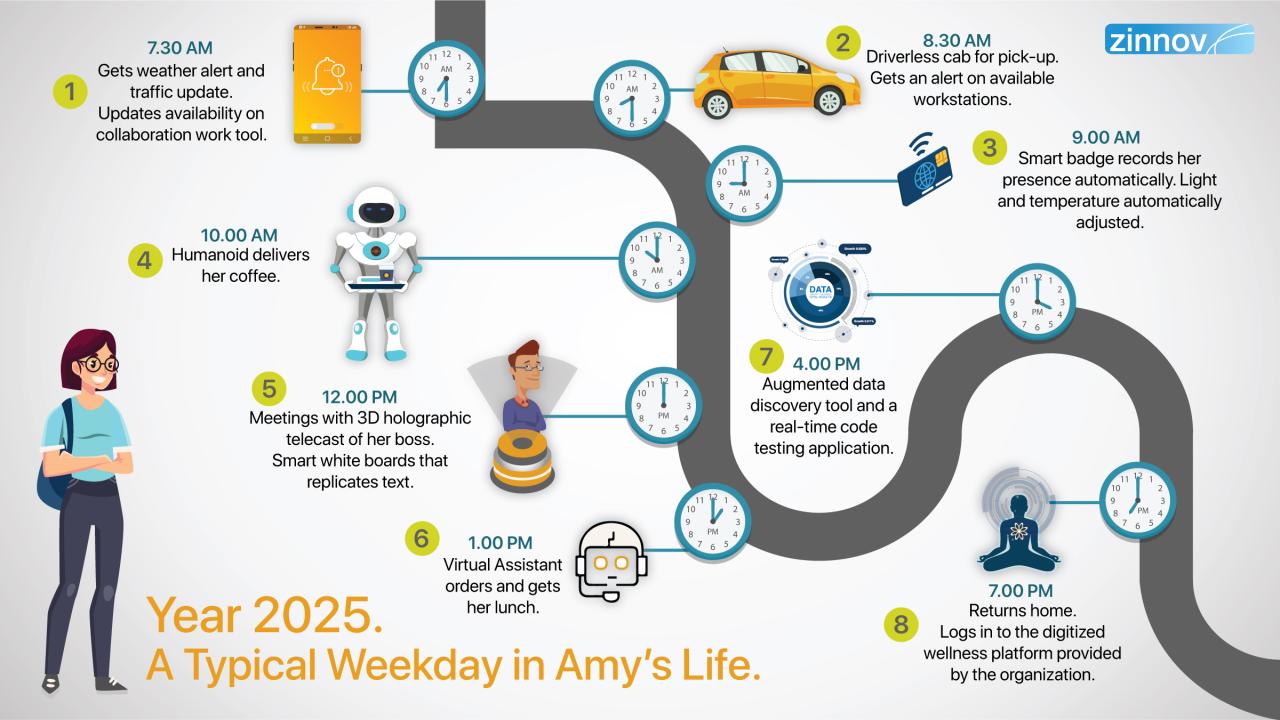
The traditional office is undergoing a radical transformation as digital workspaces evolve beyond simple remote work tools into intelligent, immersive environments. By 2025, over 70% of professional work will occur in advanced digital ecosystems that blend AI, augmented reality, and spatial computing. This comprehensive guide explores how emerging technologies are reshaping where and how we work, the challenges ahead, and what organizations must do to prepare.


A. The Current State of Digital Workspaces
1. Adoption Statistics
- 82% of companies now use cloud collaboration tools
- Hybrid work models adopted by 63% of knowledge workers
- Digital workspace market to reach $137 billion by 2027 (CAGR 21.3%)
2. Limitations of Today’s Solutions
- Video call fatigue affects 49% of remote workers
- Only 28% feel current tools match in-office collaboration
- Security vulnerabilities in 43% of remote setups
B. Emerging Technologies Reshaping Work
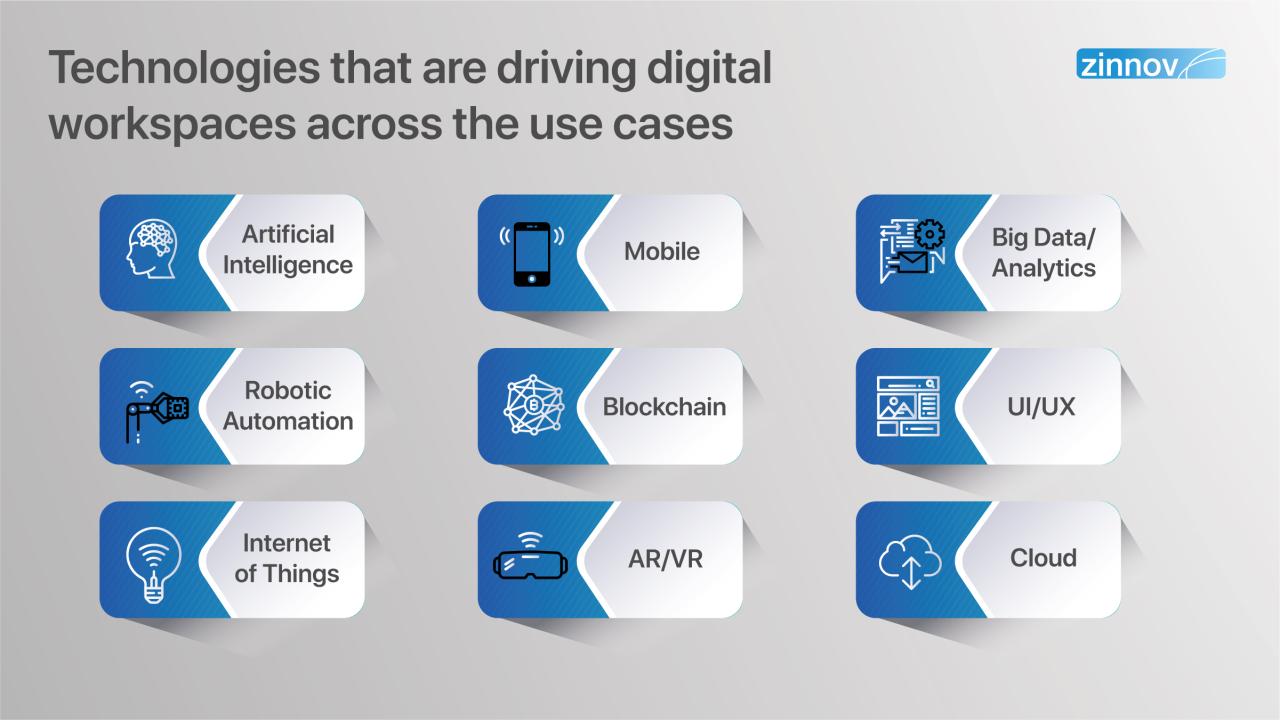
1. AI-Powered Work Environments
- Smart assistants handling routine tasks
- Predictive scheduling optimizing workflows
- Automated meeting summaries with action items
2. Immersive Workspace Innovations
| Technology | Workplace Application | Adoption Timeline |
|---|---|---|
| VR Meeting Rooms | 3D collaboration spaces | 2024-2025 |
| AR Worksurfaces | Interactive holographic displays | 2025-2026 |
| Haptic Suits | Physical feedback for remote tasks | 2026+ |
3. Blockchain for Work
- Decentralized professional identities
- Smart contract-based compensation
- Tamper-proof credential verification
C. The Human Impact of Advanced Digital Workspaces
1. Productivity Transformations
- AI automation saving 6+ hours weekly
- VR training improving retention by 40%
- Spatial computing reducing errors in complex tasks
2. New Workplace Challenges
- Digital exhaustion from constant connectivity
- Maintaining corporate culture virtually
- Cybersecurity skill gaps in distributed teams
3. Changing Job Requirements
- 65% of roles will require VR/AR literacy
- AI collaboration becoming core competency
- Continuous upskilling as standard expectation
D. Implementing Future-Ready Digital Workspaces
1. Infrastructure Requirements
- Edge computing for low-latency VR
- 5G/6G connectivity minimums
- Quantum-resistant encryption
2. Change Management Strategies
A. Phased technology integration
B. Cross-generational digital training
C. Redesigned performance metrics
3. Cost-Benefit Analysis
- 30-45% reduction in physical office costs
- $15,000+ per employee setup investment
- 2-3 year ROI timelines for full deployments
E. The 2030 Workplace Forecast
1. Predicted Norms
- Digital twins replacing physical offices
- Neural interfaces for thought-controlled computing
- AI coworkers handling 30% of team tasks
2. Economic Impacts
- $15 trillion global productivity boost
- New “digital workspace architect” roles
- Shift from location-based to skills-based hiring
3. Societal Changes
- Reimagined urban center purposes
- Global talent pool democratization
- New forms of digital presenteeism
Conclusion
The future digital workspace represents more than just technological advancement—it’s a fundamental reimagining of human productivity and collaboration. Organizations that proactively adapt to these changes will gain significant competitive advantages in talent retention, operational efficiency, and innovation capacity.
Tags: digital workspace, future of work, remote work, virtual office, hybrid work, workplace technology, AI workplace, VR collaboration, digital transformation, smart office
Category: Business Technology