



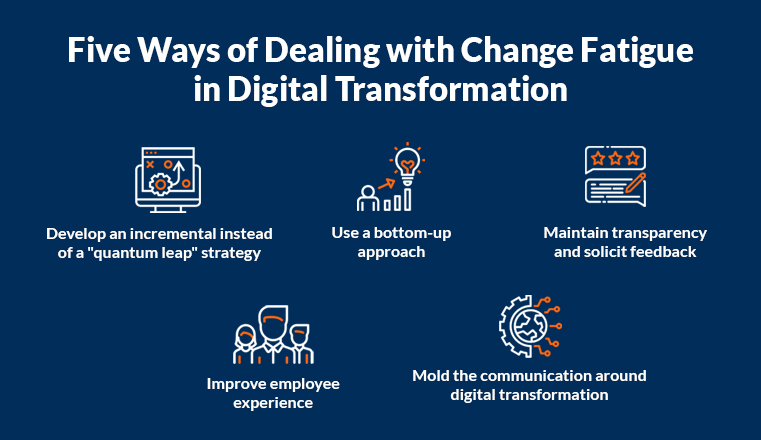


In our hyper-connected world, digital fatigue has emerged as a growing psychological phenomenon affecting millions. As screen time skyrockets and work-life boundaries blur, people across all demographics report feeling mentally exhausted from constant digital engagement. This comprehensive guide examines the causes, symptoms, and solutions for digital fatigue while exploring its impact on productivity and mental health.
A. What is Digital Fatigue?
Digital fatigue refers to the mental exhaustion caused by prolonged use of digital devices and online platforms. Key characteristics include:
- Cognitive Overload – The brain struggles to process excessive digital information
- Emotional Drain – Constant notifications create stress and anxiety
- Physical Symptoms – Eye strain, headaches, and poor posture from device usage
B. Primary Causes of Digital Fatigue
Multiple factors contribute to this modern epidemic:
- Zoom Fatigue – Video calls require intense focus and self-awareness
- Social Media Overload – Endless scrolling depletes mental energy
- Always-On Work Culture – Blurred boundaries between work and personal time
- Notification Overload – Constant alerts create decision fatigue
C. Psychological and Physical Impacts
The consequences extend beyond temporary tiredness:
- Reduced Productivity – 68% of workers report decreased focus due to digital exhaustion
- Sleep Disruption – Blue light exposure suppresses melatonin production
- Increased Anxiety – The “fear of missing out” (FOMO) worsens with digital overload
- Relationship Strain – Excessive screen time reduces quality interpersonal connections
D. Industries Most Affected by Digital Fatigue
Certain professions face higher risks:
- IT Professionals – Average 10+ hours daily screen time
- Remote Workers – Lack of physical separation between work and home
- Students – Hybrid learning models increase digital demands
- Healthcare Workers – Transition to digital record systems adds cognitive load
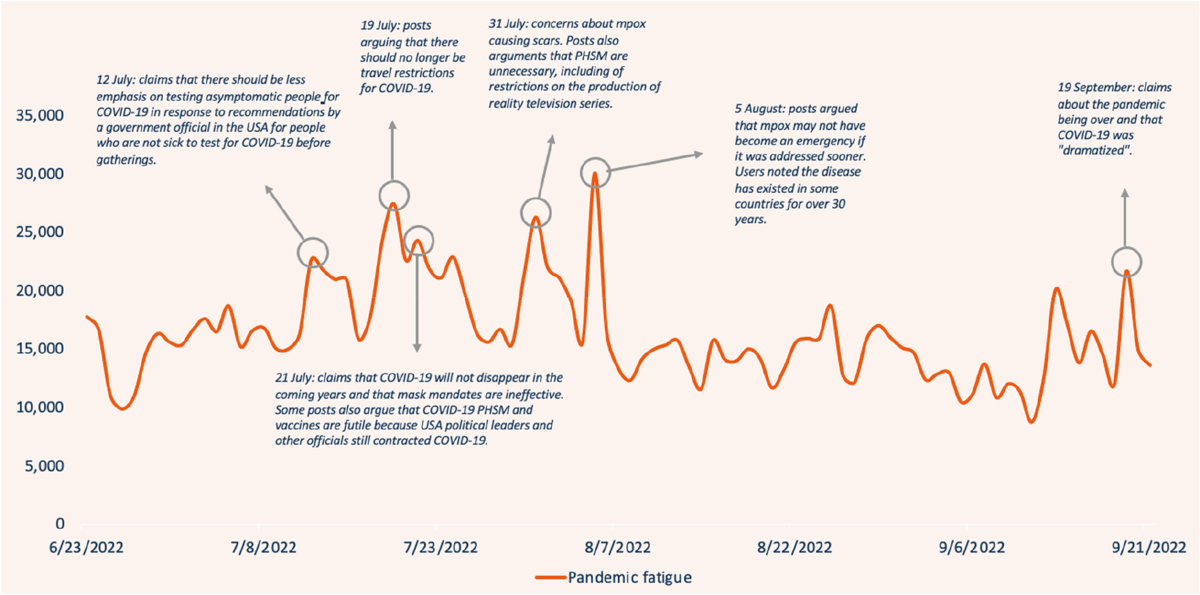
E. 7 Proven Strategies to Combat Digital Fatigue
Implement these practical solutions:
A. Implement Tech Boundaries
- Designate device-free hours
- Use app limit features on smartphones
B. Optimize Workspace Ergonomics
- Follow the 20-20-20 rule (every 20 minutes, look 20 feet away for 20 seconds)
- Invest in blue light filtering glasses
C. Practice Digital Minimalism
- Uninstall unnecessary apps
- Schedule social media usage
D. Embrace Mono-tasking
- Close all unnecessary browser tabs
- Use full-screen mode for important tasks
E. Establish Screen-Free Rituals
- Morning routines without devices
- Analog hobbies like reading physical books
F. Leverage Productivity Tools
- Use website blockers during focus time
- Automate repetitive digital tasks
G. Prioritize Offline Connections
- Schedule in-person meetings when possible
- Establish device-free family time
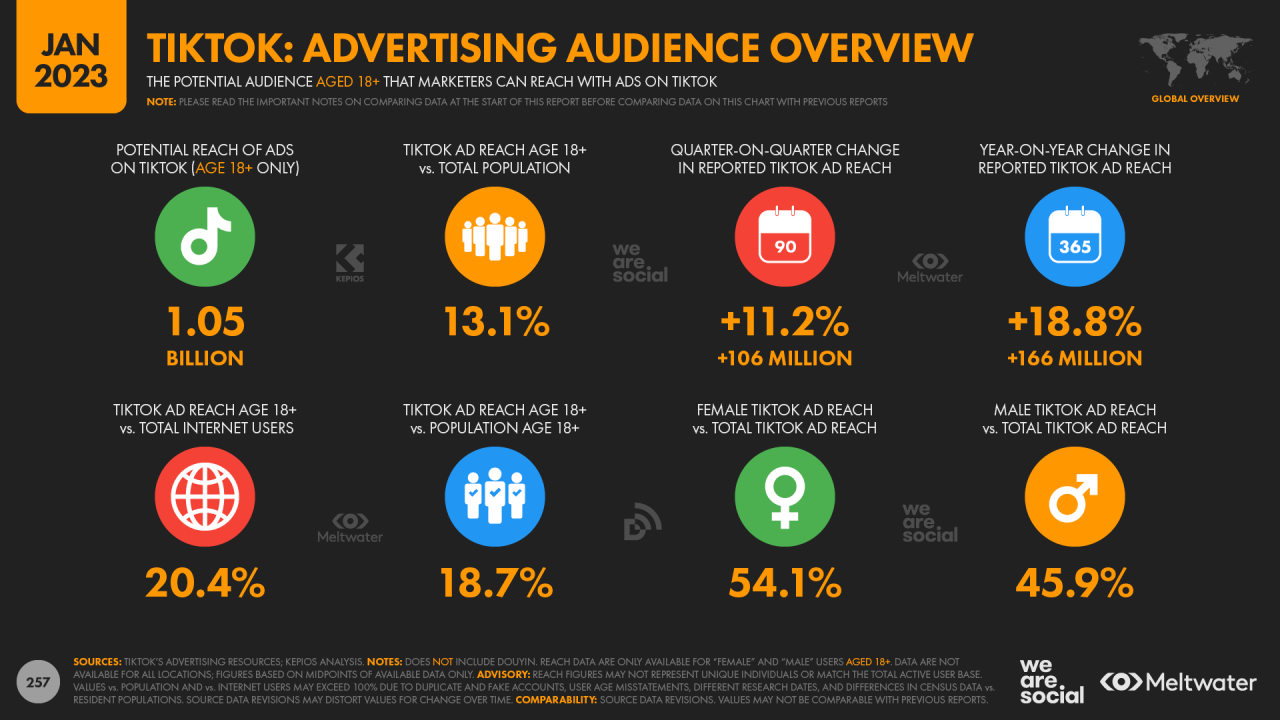
F. The Future of Digital Wellness
Emerging trends aim to address this challenge:
- AI-Powered Digital Detox Tools – Apps that automatically optimize screen time
- Corporate Digital Wellness Programs – Companies implementing “right to disconnect” policies
- Neurotechnology Solutions – Wearables that monitor cognitive overload
- Generation Z’s Pushback – Younger demographics adopting dumbphones and digital Sabbaths
Conclusion
Digital fatigue represents a critical challenge in our technology-driven society. By understanding its causes and implementing strategic countermeasures, individuals and organizations can reclaim mental clarity and improve overall wellbeing. The solution isn’t abandoning technology, but rather developing healthier relationships with our digital tools.
Tags: digital fatigue, screen fatigue, mental health, productivity, digital detox, work-life balance, zoom fatigue, technology stress, digital wellness, cognitive overload