



Introduction
In today’s hyper-connected world, digital privacy has become more critical than ever. With increasing data breaches, surveillance, and identity theft, protecting personal information online is no longer optional—it’s essential. This comprehensive guide explores why digital privacy matters, the risks of neglecting it, and practical steps to safeguard your data in 2024.

 A. The Growing Importance of Digital Privacy
1. Rising Cyber Threats
- Data Breaches: Over 1,800 breaches occurred in 2023, exposing 2.6 billion records (Statista).
- Identity Theft: 33% of adults have experienced identity fraud (Javelin Strategy).
- Ransomware Attacks: Increased by 93% year-over-year (Verizon DBIR).
2. Government Surveillance & Data Collection
- Mass Surveillance: Governments track online activities under anti-terrorism laws.
- Data Retention Policies: ISPs and telecom companies store user data for years.
- Facial Recognition: Used in public spaces without consent in many countries.
3. Corporate Data Exploitation
- Big Tech Tracking: Google, Facebook, and Amazon collect vast amounts of user data.
- Targeted Advertising: Personal data is sold to advertisers without transparency.
- Algorithmic Manipulation: Social media exploits data to influence behavior.
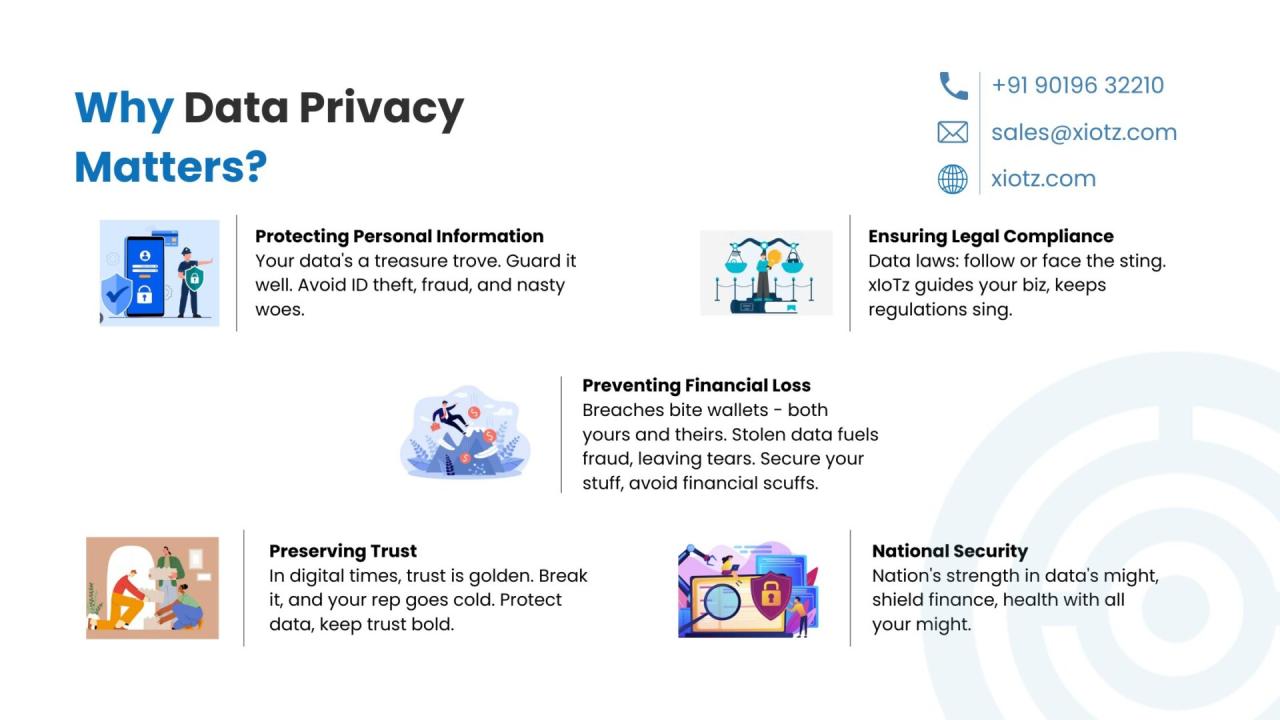
 B. Key Risks of Poor Digital Privacy
1. Financial Losses
- Bank Fraud: Hackers drain accounts using stolen credentials.
- Credit Card Theft: Dark web markets sell card details for as low as $5.
2. Reputation Damage
- Leaked Private Messages: Personal chats exposed in data breaches.
- Deepfake Misuse: AI-generated fake videos or audio used for blackmail.
3. Legal Consequences
- Unauthorized Data Sharing: Violates GDPR, CCPA, and other privacy laws.
- Workplace Monitoring: Employers track employees, sometimes illegally.
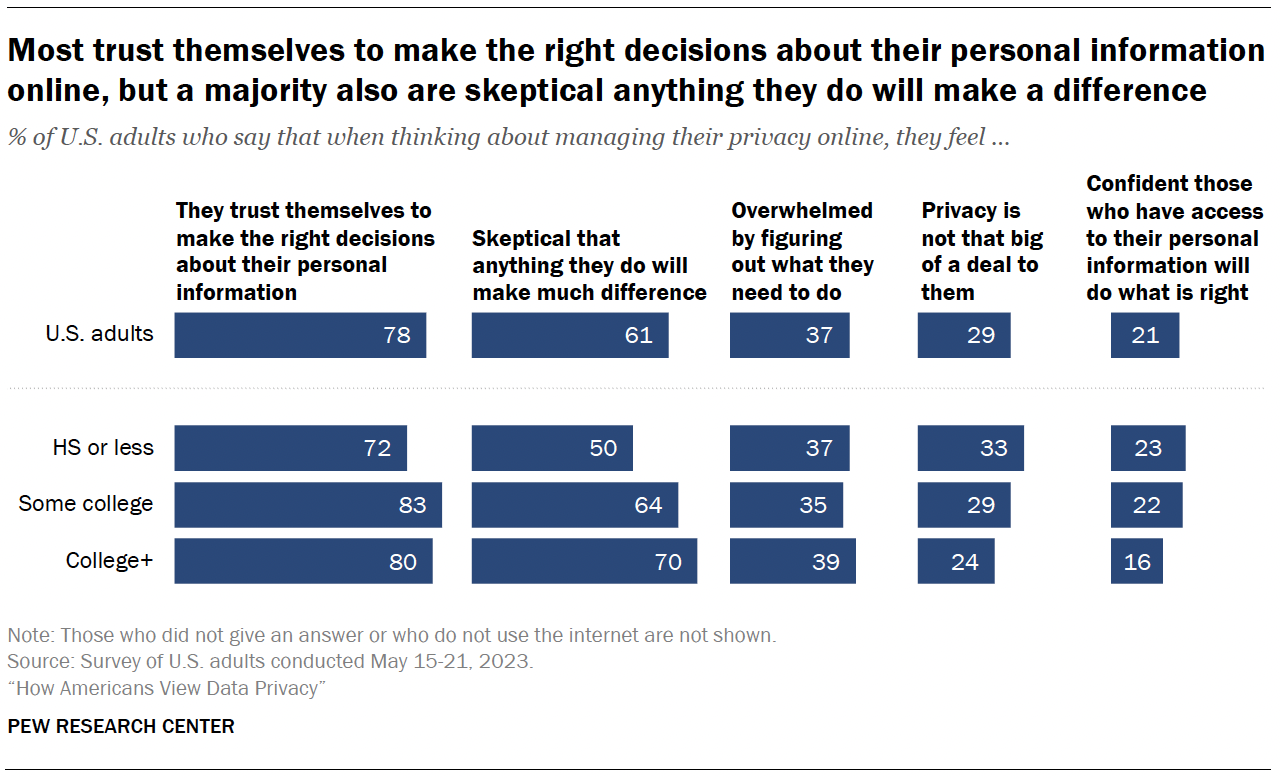
4. Psychological Impact
- Loss of Trust: Fear of being watched leads to self-censorship.
- Stress & Anxiety: Constant surveillance affects mental health.
 C. How to Protect Your Digital Privacy
1. Secure Your Devices
- Use Strong Passwords: Combine letters, numbers, and symbols.
- Enable 2FA: Adds an extra layer of security.
- Update Software: Patches vulnerabilities hackers exploit.
2. Browse Anonymously
- Use a VPN: Encrypts internet traffic and hides your IP.
- Switch to Privacy-Focused Browsers: Brave, Firefox, or Tor.
- Block Trackers: Extensions like uBlock Origin and Privacy Badger.
3. Manage Social Media Privacy
- Limit Data Sharing: Disable ad personalization.
- Review App Permissions: Revoke access to unused apps.
- Avoid Oversharing: Be cautious with location tags and personal details.
4. Protect Financial & Personal Data
- Freeze Credit Reports: Prevents unauthorized loans/credit cards.
- Use Encrypted Messaging: Signal or WhatsApp (with end-to-end encryption).
- Avoid Public Wi-Fi for Sensitive Transactions: Use mobile data or a VPN.
5. Advocate for Stronger Privacy Laws
- Support GDPR-Like Regulations: Demand transparency from companies.
- Petition Against Mass Surveillance: Push for ethical data policies.
 D. The Future of Digital Privacy
1. AI & Privacy Challenges
- Deepfake Threats: AI-generated impersonations for scams.
- Predictive Analytics: Companies anticipate behavior using AI.
2. Decentralized Solutions
- Blockchain-Based Identity: Self-sovereign identity (SSI) systems.
- Zero-Knowledge Proofs: Verify data without revealing it.
3. Privacy-First Tech Trends
- Federated Learning: AI trains on-device without sharing data.
- Privacy Coins: Cryptocurrencies like Monero for anonymous transactions.
E. Common Myths About Digital Privacy
❌ Myth: “I have nothing to hide, so privacy doesn’t matter.”
✅ Fact: Privacy is a fundamental right—even mundane data can be weaponized.
❌ Myth: “Only hackers target important people.”
✅ Fact: 43% of cyberattacks target small businesses and individuals.
❌ Myth: “Using incognito mode makes me anonymous.”
✅ Fact: Incognito only hides browsing history locally—ISPs still track you.
Conclusion
Digital privacy is not just about hiding information—it’s about control, security, and freedom. As technology evolves, so do threats, making proactive privacy measures crucial. By adopting secure habits and supporting stronger regulations, we can reclaim our digital rights.
Tags: digital privacy, online security, data protection, cybersecurity, internet privacy, GDPR, VPN, identity theft, privacy laws, surveillance
Category: Cybersecurity & Privacy